
Free Consultation
208-517-7670
You pay nothing until we win
You pay nothing until we win

It’s likely that you have heard the term “critically injured” before, but what does it mean? In this blog, our team at Andrew Injury Law has detailed what it means to be critically injured to help you understand why it’s serious.
We’ve done this because if you plan on filing a personal injury claim soon, you might see the term ‘critically injured’ in your paperwork. If you do, this means that you or someone you love has suffered serious injuries. These guilty parties need to be held accountable so that you can achieve fair compensation.
Let’s take a closer look into this medical term and some of the others used to describe injuries, and you can decide if you want to speak with one of our Boise, Idaho, personal injury attorneys.
If a person has been labeled critically injured, they have a life-threatening injury that, if not addressed immediately, could prove fatal.
Typically, if a hospital has listed someone as critically injured, it means their vital signs are not within normal range and are unstable. Unfortunately, a critically ill individual has a high risk of dying. A critical injury refers to any of the following:
When an injury is so severe it results in death, this is known as a fatal injury. If someone is classed to have been fatally injured, there is almost no chance of them surviving, regardless of whether they receive medical attention quickly.
Often, fatal injuries occur because of car accidents, fires, drowning, firearm accidents, falls, poisoning, and suffocation.
If an individual is severely injured but not fatally or critically injured, they are usually classified as gravely injured. A gravely injured individual is usually experiencing a life-threatening situation, but their condition is not immediately life-threatening.
This means that if a gravely injured person receives medical attention within a reasonable timeframe, they are more likely to recover than someone who has been critically injured.
Now that you know the differences between critically, fatally, and gravely injured, you might want to learn more about the injuries that lead to critical injuries.
Below, our team at Andrew Injury Law has used our extensive accident knowledge to share injuries that often lead to our clients suffering critical injuries:
Additionally, incidents involving bicycles, fires, and electrical mishaps frequently contribute to critical injuries.
If you or a loved one has been critically injured in an accident, you have the right to seek compensation from the liable party.
However, to ensure you have the best chance possible at securing a fair settlement for the injuries you sustained during an accident, you should consider speaking with a Boise, Idaho, personal injury attorney.
Our attorneys at the Andrew Law Firm have experience helping those who’ve suffered critical injuries obtain compensation. Contact us here to learn how we can help you.
A contingency fee is a type of payment arrangement that our Idaho personal injury firm uses. It is an agreement with our clients where our attorney’s fee is contingent upon the successful outcome of the case. In other words, we only receive payment if we win the case or secure a favorable settlement for you. That payment comes from your final settlement or award, so you never need funds from your own pocket to pay us.
Under a contingency fee agreement, Andrew Injury Law also typically covers all the upfront costs associated with your case, such as court fees, document preparation, expert witnesses, and investigation expenses. These costs are then recouped from the final settlement or judgment if the case is successful.
We use contingency fees to provide access to justice for those without the financial means to afford legal representation. It allows everyone to pursue a personal injury claim with the right legal help – and without worrying about the added cost.
Read more about contingency fees here.
Personal injury damages refer to the compensation you might be entitled to if you suffered harm due to the wrongful conduct of someone else. The law provides relief for such injuries in the form of monetary damages.
Damages can fall into different categories:
Economic damages – These compensate for financial losses you can prove with bills or receipts. They often include medical bills, lost income from missing work, out-of-pocket injury-related costs, future expenses and lost earnings, and more.
Noneconomic damages – Some losses are not tied to bills or expenses, but you still deserve compensation for them. Some intangible and noneconomic damages include pain and suffering, mental trauma, and permanent disabilities or disfigurement.
Punitive damages – These do not apply in every case. However, if the party that caused your injuries acted so egregiously that the court decides to impose additional liability, the court may award punitive damages to you up to a certain amount. These are not tied to your specific losses, but instead the conduct of the defendant.
Read More: Is Idaho a No-Fault State?
States set deadlines for taking legal action called statutes of limitations. Once the deadline passes, you cannot file a successful claim. In Idaho, the statute of limitations is two years from the date of the injury, and there are few exceptions to this time limit.
The purpose of a statute of limitations is to ensure that legal actions are initiated within a reasonable period after the injury occurs. It provides a degree of certainty and finality to potential legal disputes and helps ensure evidence is reliable and does not weaken over time.
However, the statute of limitations also means you need to act fast following a personal injury. There is much to do before filing a lawsuit, so always seek help from Andrew Injury Law as soon as you know you have injuries and suspect someone else was at fault.
Read more about the Idaho statute of limitations here.
Naturally, you want to know how much money you might expect for your injuries and losses. Settlements and awards can vary widely – ranging from a few thousand dollars to multi-millions. Unfortunately, there is no way to advise what your claim might be worth without fully evaluating your circumstances.
Some factors we consider when determining the value of your claim include:
The insurance company will undervalue your claim – but we never will. You can trust Andrew Injury Law to fight for the total compensation you need and deserve.
Read more about how a personal injury claim in Idaho is calculated here.
If you or a loved one has been seriously injured, please fill out the form below for your free consultation or call us at 208-517-7670
No Fees Unless We Win Your Case

Matt Andrew was so helpful and encouraging regarding our small auto accident negotiation. We received clear and comprehensive suggestions and outline of action for us to take. We are grateful to have spoken with him directly and on the first phone call to his office. Great attitude and genuine interest in helping. Definitely recommend.
Matt is a “Tell it like it is”, Attorney. He will scour the data, and go to bat for you. He becomes your liaison, so you can really focus about just getting better, and though he wont loan you any money, he’ll tell you what you need you need to do to survive if you’re out of work for a bit. Attorneys aren’t cheap, you’ll end up with more if you use one. Heed his advise for the strongest case argument in your favor.
I called Matt he was driving he took my information and he immediately called me back, he answered my question and gave me advice on how to handle the situation, he very helpful for my situation, he was thorough
Andrew Injury Law is a personal injury law firm in Idaho. We focus on representing individuals who suffer injuries from someone else’s negligence. We use a compassionate and aggressive approach to help our clients after an injury. Our team knows that injuries can be life-altering. Our Boise injury lawyer fights for our clients every step, leading to trial if necessary. Get in touch with the Boise injury lawyers from Andrew Injury Law today.
Andrew Injury Law represents people who need help during the most challenging times. Injuries are life-changing in many ways. Even a minor injury can leave you out of work for weeks with mountains of medical bills. Permanent injuries require more medical attention and bring more bills. Our team is here to help you every step of the way. Call our personal injury lawyer in Caldwell for a free case review.
You must get legal representation immediately when you suffer an injury or lose a loved one. The insurance companies are vultures looking to diminish your claim. They don’t care about the pain you are suffering. They only care about their bottom line. When you file a personal injury claim, you will pursue justice and compensation for your injuries and losses. Andrew Injury Law helps injured individuals seek compensation from negligent parties. We offer free case reviews, so call our office today.
Our primary goal is to hold the at-fault party responsible by getting you financial reimbursement for your injuries. Schedule a free consultation today with our Meridian personal injury lawyer from Andrew Injury Law.
If you have been in an accident, you probably have questions regarding the claims process and what happens ...
Motorcyclists run the risk of sustaining particularly severe injuries in collisions, even if they wear helm...
After an accident and injury, you might consider simply accepting the offer from insurance companies and mo...

Accidental injuries cause over 24 million emergency room visits per year in the U.S., and many of these injuries are the fault of other parties.
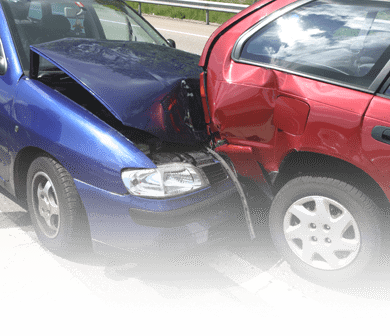
Idaho reported more than 27,500 traffic crashes in a recent year, with over 12,600 people suffering injuries and 271 fatalities. We help car crash victims seek justice.

Commercial trucks are critical to Idaho’s economy, but they also put everyone at risk of serious collisions and injuries. We stand up to trucking companies.

Motorcyclists love the wide open spaces of Idaho, but other drivers are not always careful and can hit motorcycles, causing devastating injuries and losses.

After a fatal accident, families can face overwhelming emotional and financial losses. We can help your family seek financial support and justice for your loved one’s wrongful death.

Many accidents happen because property owners or businesses do not maintain their premises. If you slipped and fell or had another premises-related accident, we can help.

Whether you work in construction, logging, or in an office, injuries can happen. We assist injured workers in seeking maximum compensation for their injuries.

Getting the workers’ comp you deserve for a job-related illness or injury can be more challenging than you expect. Seek help with your claim from our legal team.
If you or a loved one has been seriously injured, please fill out the form below for your free consultation or call us at 208-517-7670
No Fees Unless We Win Your Case


 Message Us
  Call Us